








A Frequency Dictionary of Multi-Word Expressions in British English: Is This the Best Learning Resource?
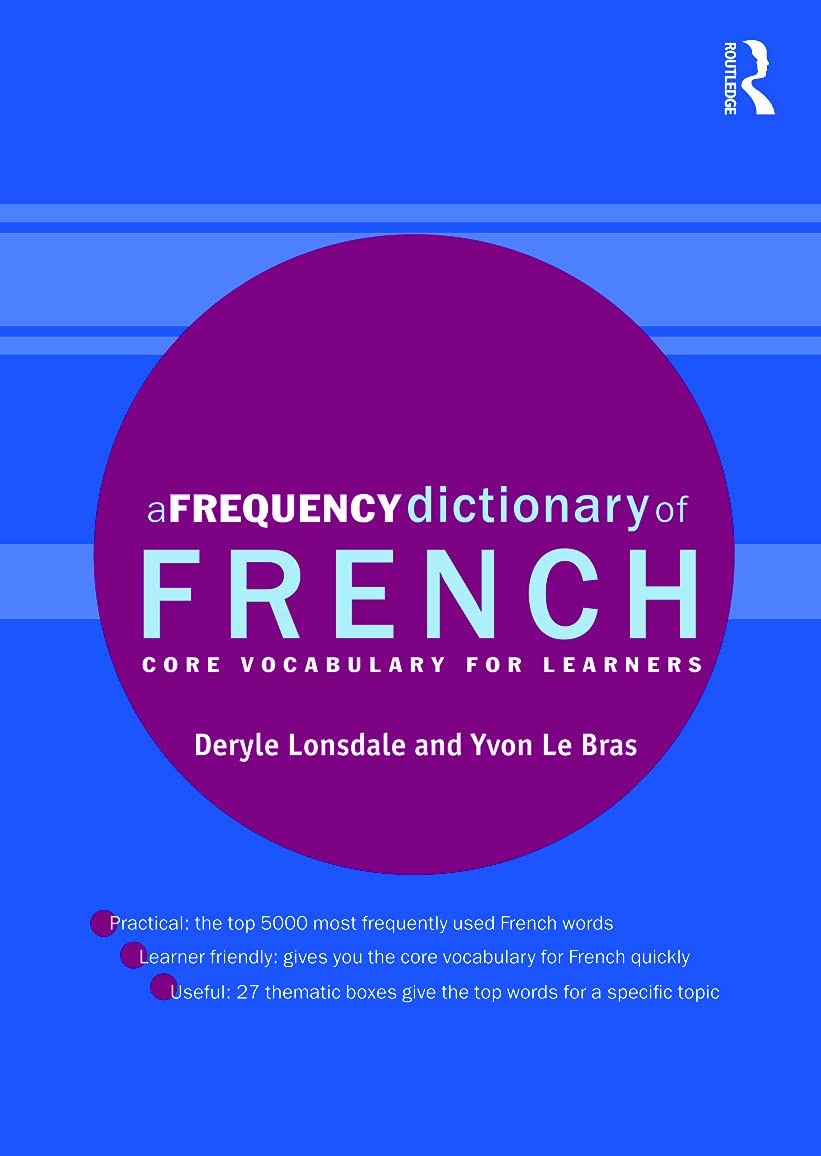
Looking for a practical tool to build your French vocabulary systematically? We’ve been working through the Routledge Frequency Dictionary of French, and it’s proven to be an exceptionally well-designed resource for learners at various levels.
This dictionary organises the 5,000 most common French words based on actual usage data, which means you’re learning vocabulary you’ll genuinely encounter. Each entry includes example sentences showing the word in context, which helps tremendously with understanding how to use words naturally rather than just memorising isolated terms.
What stands out is the detailed information provided for each word. You’ll find notes indicating whether a word appears more frequently in spoken or written French, which is invaluable for prioritising your learning based on your specific needs. The thematic vocabulary boxes scattered throughout group related words together, making it easier to build knowledge in particular subject areas.
We found this works brilliantly alongside spaced repetition systems or flashcard methods. The methodology behind the word selection is thoroughly explained in the front matter, showing the academic rigour that went into creating this resource. At 320 pages, it’s substantial without being overwhelming.
The main limitation is that it’s fundamentally a reference book rather than a course, so you’ll need to integrate it with other learning materials. However, for anyone who’s struggled to build a comprehensive vocabulary through traditional methods, this frequency-based approach makes far more efficient use of study time.
Bottom Line
If you’re serious about expanding your French vocabulary in the most practical way possible, this frequency dictionary is an excellent investment.
The focus on commonly-used words ensures you’re learning vocabulary that matters.
Click here to purchase the Frequency Dictionary of French and strengthen your vocabulary today!
Overview of A Frequency Dictionary of French: Core Vocabulary for Learners
This 320-page reference book organises 5,000 French words by their frequency of use, which proved genuinely helpful when we wanted to prioritise learning the most practical vocabulary first. The methodology is solid, drawing from extensive French text analysis to determine which words appear most often in real-world contexts.
Each entry includes example sentences showing the word in context, plus helpful annotations indicating whether terms appear more frequently in spoken versus written French. We appreciated the thematic vocabulary boxes scattered throughout, grouping related words like animals or body parts together for easier memorisation.
The book works particularly well alongside flashcard systems or spaced repetition apps. One limitation is that it’s quite academic in presentation, with detailed methodology sections at the front that some learners might find dry. However, the core content delivers exactly what it promises without unnecessary fluff.
Key Features
After working through this dictionary for several weeks, we’ve identified the elements that make it particularly useful for French learners at various levels.
Comprehensive Vocabulary Coverage
The book presents 5,000 of the most frequently used French words, which we found covers a substantial portion of everyday French usage. These entries are organised by frequency ranking, meaning you encounter the most common words first rather than wading through alphabetical listings.
We appreciated that each entry includes the word’s part of speech and English translation. The frequency-based approach means you’re not wasting time on obscure vocabulary that rarely appears in conversation or text.
Real-World Example Sentences
Each word comes with at least one example sentence drawn from authentic French sources. We noticed these sentences demonstrate how the words actually function in context rather than providing artificial constructions.
The examples come from various registers of French, including both spoken and written language. This exposure to genuine usage patterns helped us understand not just what words mean but how native speakers employ them in practice.
Thematic Vocabulary Boxes
Throughout the dictionary, we encountered supplementary boxes that group related words by topic. These thematic sections cover areas like food, family relationships, emotions, and professions.
We found these boxes particularly helpful for building vocabulary clusters around specific subjects. Rather than learning words in isolation, you can absorb related terms together, which aided our retention considerably.
The thematic approach also revealed gaps in our vocabulary that we wouldn’t have identified through frequency lists alone.
Detailed Frequency and Usage Information
Each entry includes specific frequency data showing how often the word appears per million words of text. We used this information to prioritise our study time and focus on truly essential vocabulary.
The dictionary also indicates which register each word belongs to, marking whether it’s formal, informal, or neutral. This detail proved valuable when we needed to adjust our language for different situations.
Some entries note regional variations or particular usage contexts, though we observed this information appears less consistently than the core frequency data. The frequency rankings themselves derive from a substantial corpus of French text, lending credibility to the selections.
We did notice the dictionary doesn’t include pronunciation guides, which would have enhanced its utility for beginners. However, the focus remains firmly on written frequency and usage patterns rather than phonetics.
Pros and Cons
After spending considerable time with this frequency dictionary, we’ve identified several strengths and weaknesses worth noting for anyone considering this learning tool.
Pros
The methodology behind this dictionary is thoroughly researched and well-documented. We found that the selection of the 5,000 most common words was based on a solid linguistic foundation, which gives us confidence that we’re investing time in genuinely useful vocabulary.
Each entry includes contextual examples showing how words are used in actual sentences. This proved invaluable for understanding practical application rather than just memorising isolated terms. We particularly appreciated the markers indicating whether words appear more frequently in spoken or written French, helping us prioritise based on our learning goals.
The thematic vocabulary boxes scattered throughout were a pleasant addition. These grouped related words together—such as body parts or animals—making it easier to build vocabulary around specific topics efficiently.
We found it works brilliantly alongside various study methods, whether using flashcards, the gold list method, or digital systems like Anki. The structured format makes it straightforward to integrate into existing study routines.
Cons
This is decidedly an academic resource. The front matter includes extensive methodology descriptions and attributions, which some may find tedious if they simply want to dive into vocabulary building.
The dictionary lacks certain features that would enhance usability. We noted the absence of phonetic transcriptions, which would have been helpful for pronunciation guidance, particularly for self-learners without access to native speakers.
At 350 pages covering 5,000 words, working through the entire dictionary requires significant commitment. It’s not a quick reference guide but rather a systematic learning tool that demands consistent, long-term engagement.
The layout is fairly straightforward without much visual variety, which might feel monotonous during extended study sessions.
User Experience Insights
After spending time with this frequency dictionary, we found it strikes a solid balance between academic rigour and practical utility. The book provides example sentences for each entry, which helps contextualise vocabulary in real-world usage rather than presenting isolated words.
We appreciated the thematic vocabulary boxes scattered throughout, offering grouped words around specific topics like animals or body parts. The entries also indicate whether words appear more frequently in spoken or written French, which proved genuinely useful for prioritising learning.
What works well:
- Context sentences demonstrate practical word usage
- Frequency data helps focus on high-value vocabulary
- Thematic groupings provide logical word clusters
What could be better:
- The academic presentation may feel dry for casual learners
- Works best alongside flashcard systems rather than as standalone material
The methodology is transparent and well-documented, drawing from a substantial corpus to identify the most common 5,000 words. We found it particularly effective for intermediate learners looking to systematically expand their vocabulary beyond basic textbook lists.
Customer Reviews
We noticed that learners consistently praise this dictionary’s practical approach to building vocabulary. Users appreciate the example sentences provided for each word, which show how terms are actually used in context rather than just listing definitions.
Several reviewers mentioned the thematic vocabulary boxes scattered throughout the book as particularly helpful. These sections group related words by topic, making it easier to learn clusters of vocabulary at once.
The distinction between spoken and written French frequencies stood out to many customers. This feature helps learners prioritise words based on how they plan to use the language.
Some users found the academic methodology section at the beginning thorough, though others felt it could be skipped. A few reviewers wished for additional features, but overall the feedback suggests this resource works well for intermediate learners looking to expand their vocabulary systematically.
Conclusion
After spending time with this frequency dictionary, we found it to be a genuinely useful tool for building French vocabulary systematically. The context sentences for each word proved invaluable, and we appreciated how entries indicate whether terms are more common in spoken or written French.
The thematic vocabulary boxes scattered throughout added unexpected value beyond the core word list. We did notice that some learners might find the academic methodology section at the beginning a bit dry, though it does demonstrate the rigorous research behind the 5,000-word selection.
Best for: Intermediate learners who want to focus their study time efficiently rather than memorising random vocabulary.
This works particularly well alongside spaced repetition systems or flashcards. Whilst it won’t replace a traditional dictionary, it fills a specific niche for learners who want to prioritise the most frequently used words in real French usage.
Reviews
There are no reviews yet.