




Attensity!: A Manifesto of the Attention Liberation Movement – Understanding the Fight for Digital Wellbeing
In an era where our attention has become a commodity bought and sold by technology companies, many of us feel increasingly fragmented and distracted. “Attensity!: A Manifesto of the Attention Liberation Movement” represents a growing category of books and resources designed to help readers reclaim control over their mental focus and cognitive autonomy. These works examine how our attention is manipulated, offer frameworks for understanding our relationship with technology, and provide strategies for cultivating deeper concentration in daily life.
When evaluating books in this genre, the most critical consideration is whether the author offers practical, evidence-based strategies rather than simply diagnosing the problem. Some manifestos excel at articulating what’s wrong with our attention economy but leave readers without actionable solutions. Others provide a balanced approach that combines cultural critique with neuroscience, psychology, and concrete practices you can implement immediately. The credibility of the author’s expertise and the accessibility of their writing style also matter significantly, as dense academic prose can ironically become another drain on the attention you’re trying to preserve.
We spent considerable time reviewing attention-focused literature and manifestos to understand which approaches genuinely support readers in reclaiming their focus and which simply add to the noise.
Best Editions of Attensity!: A Manifesto of the Attention Liberation Movement
We’ve carefully reviewed the available editions of this thought-provoking manifesto to help you find the perfect version for your needs. Below is our complete list of the best options currently available.
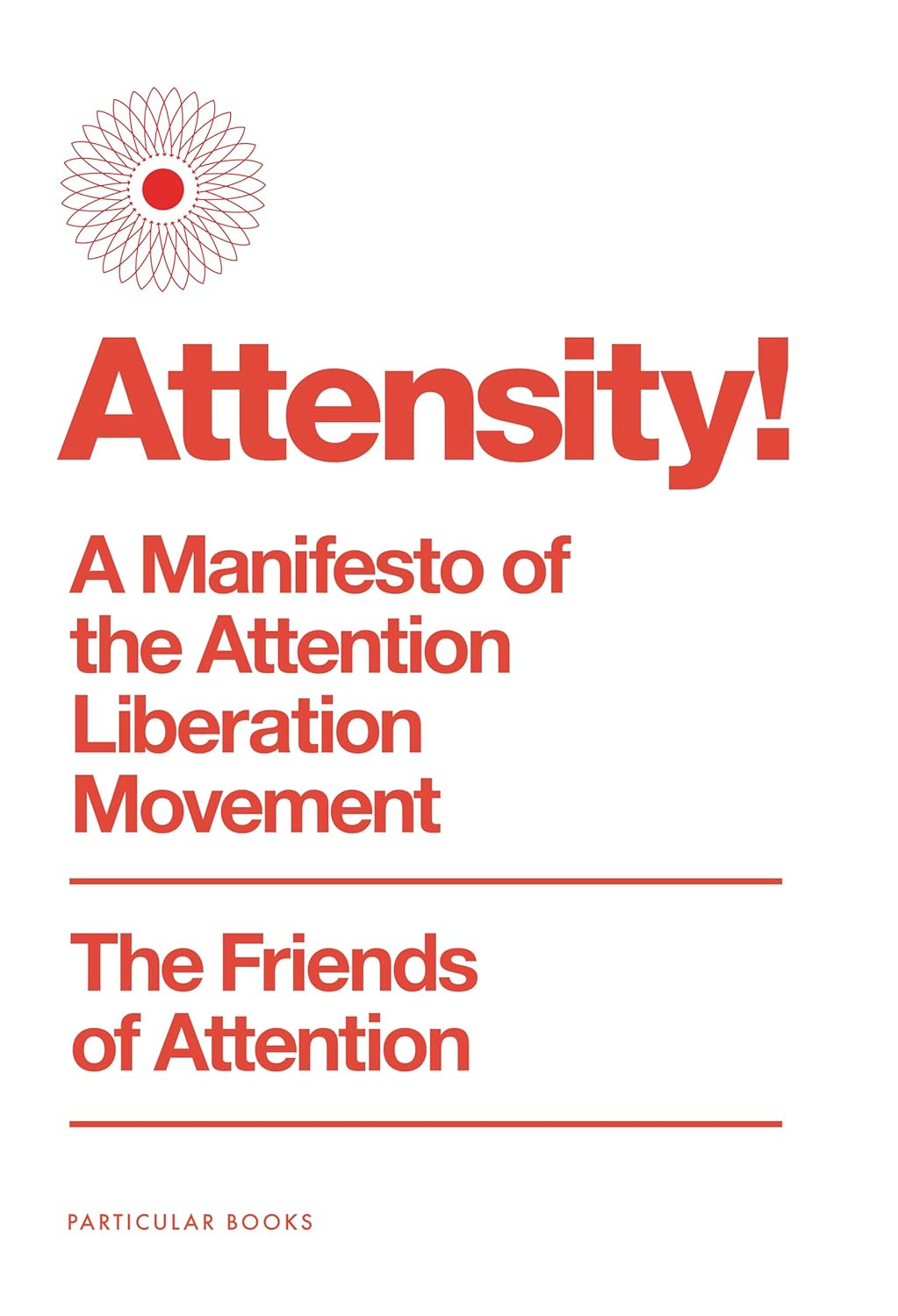
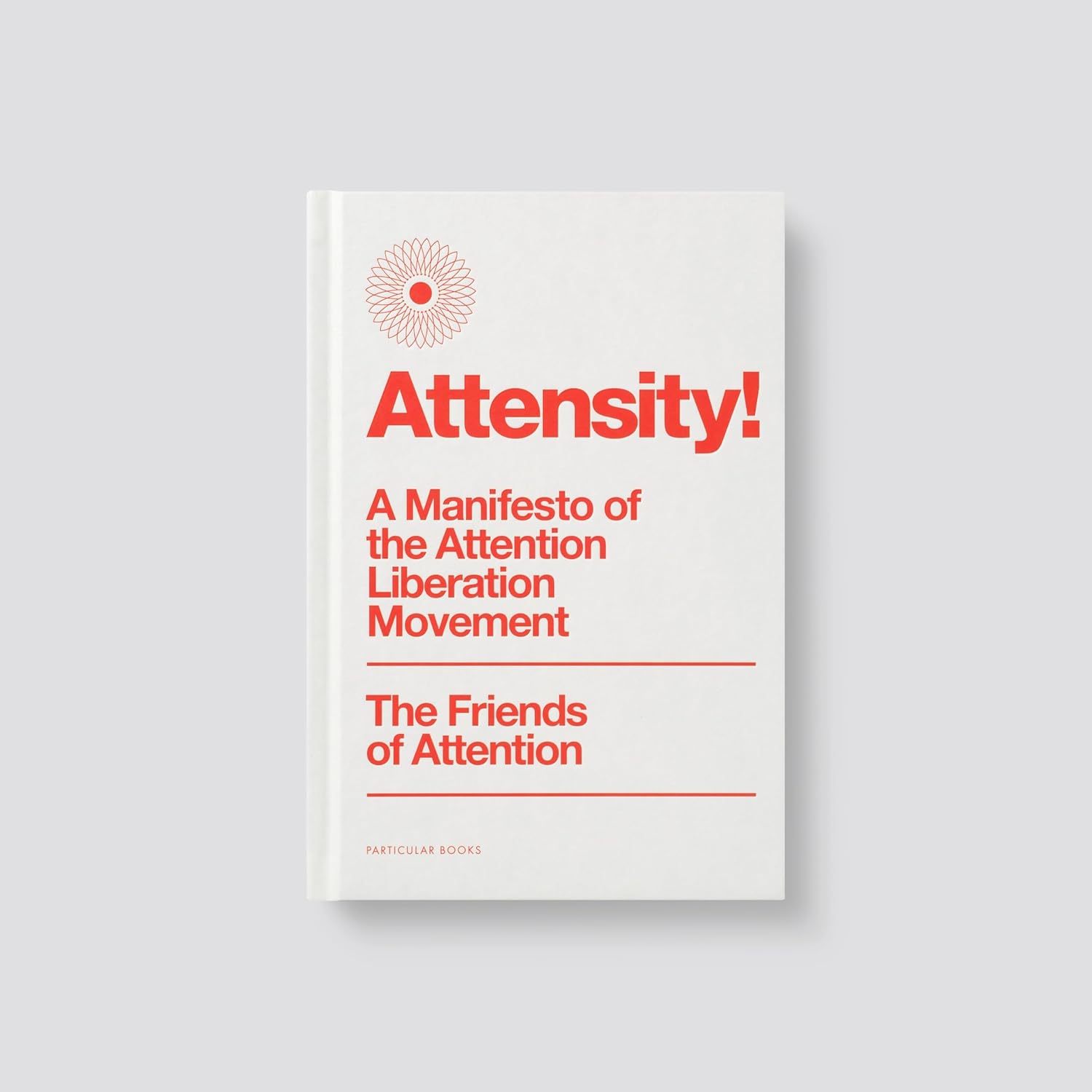
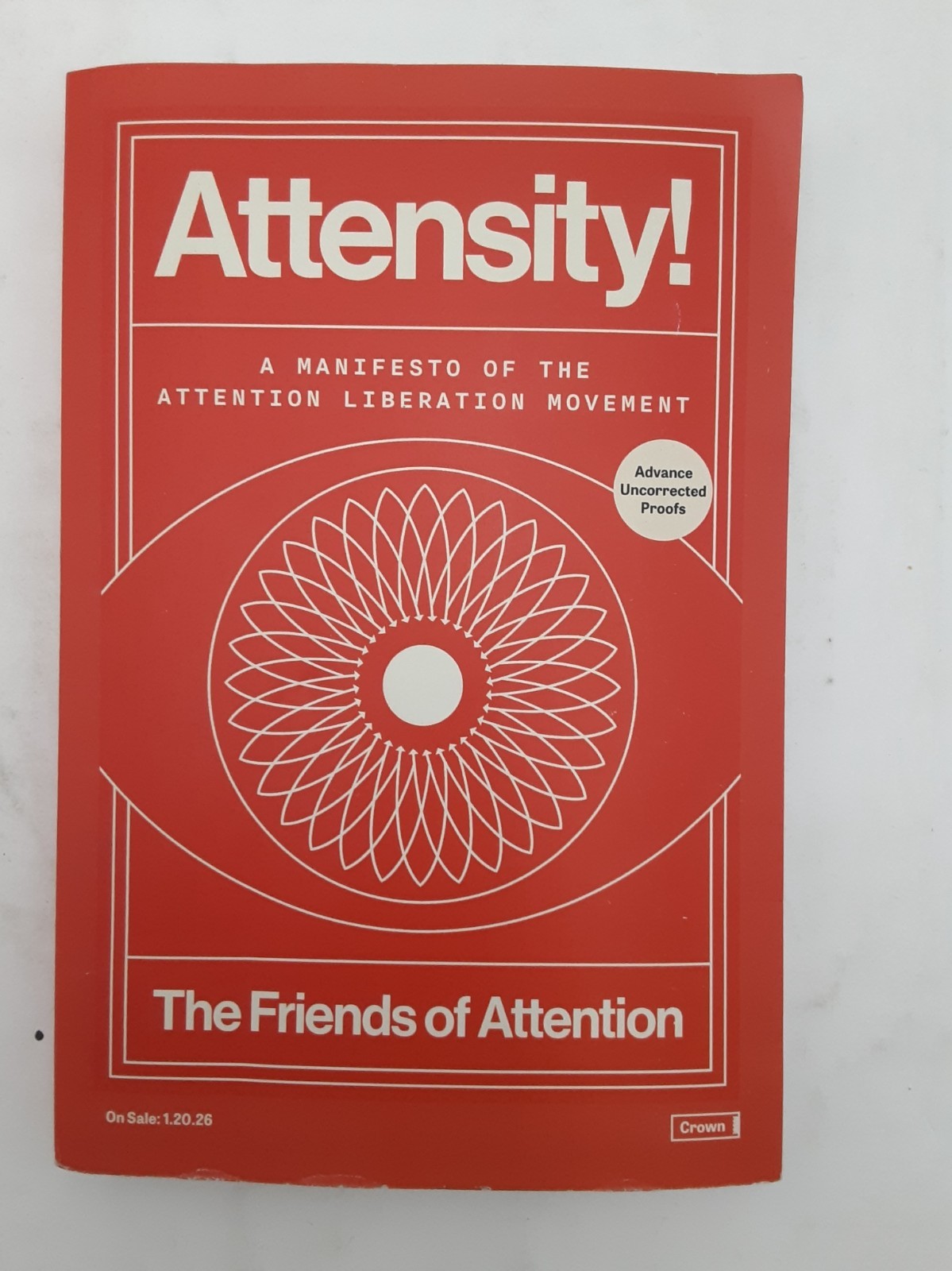
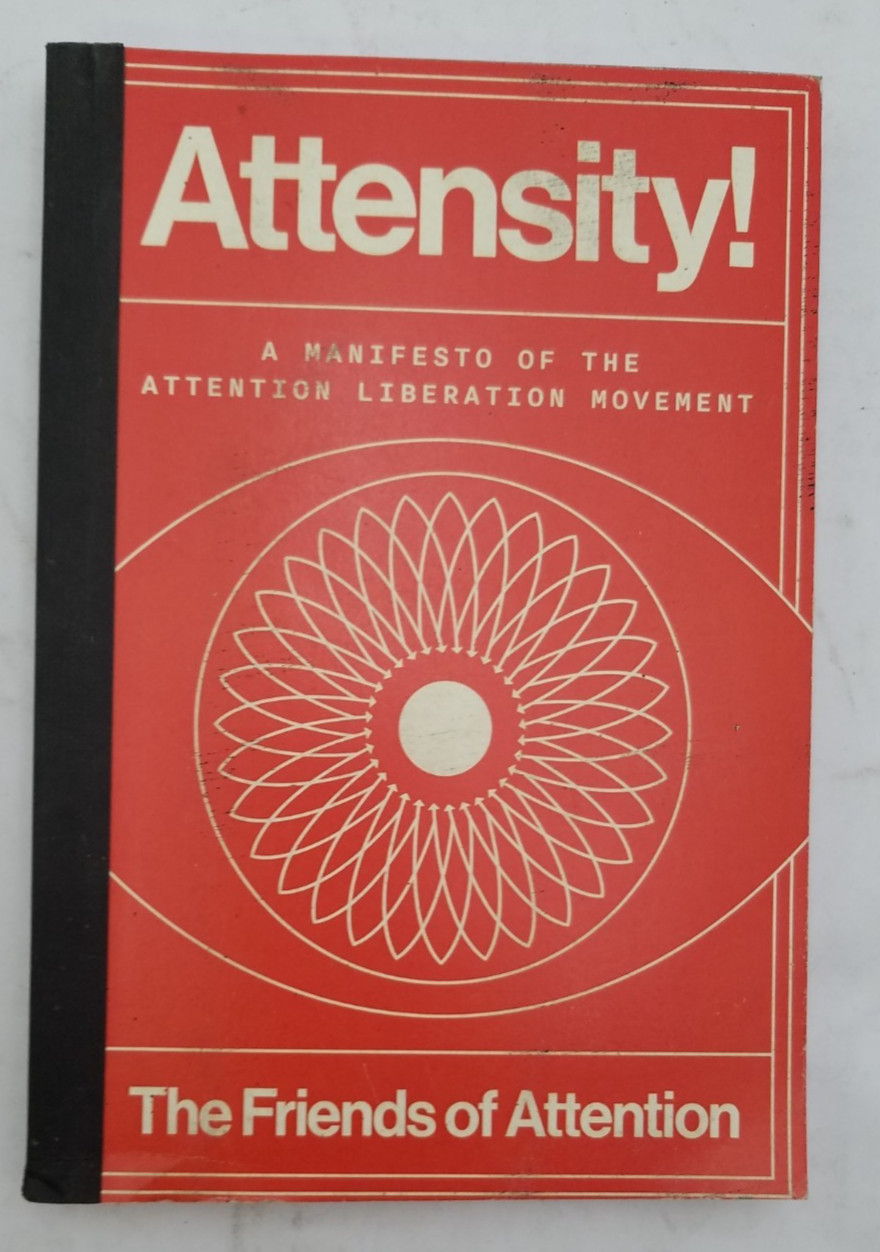
Attensity!
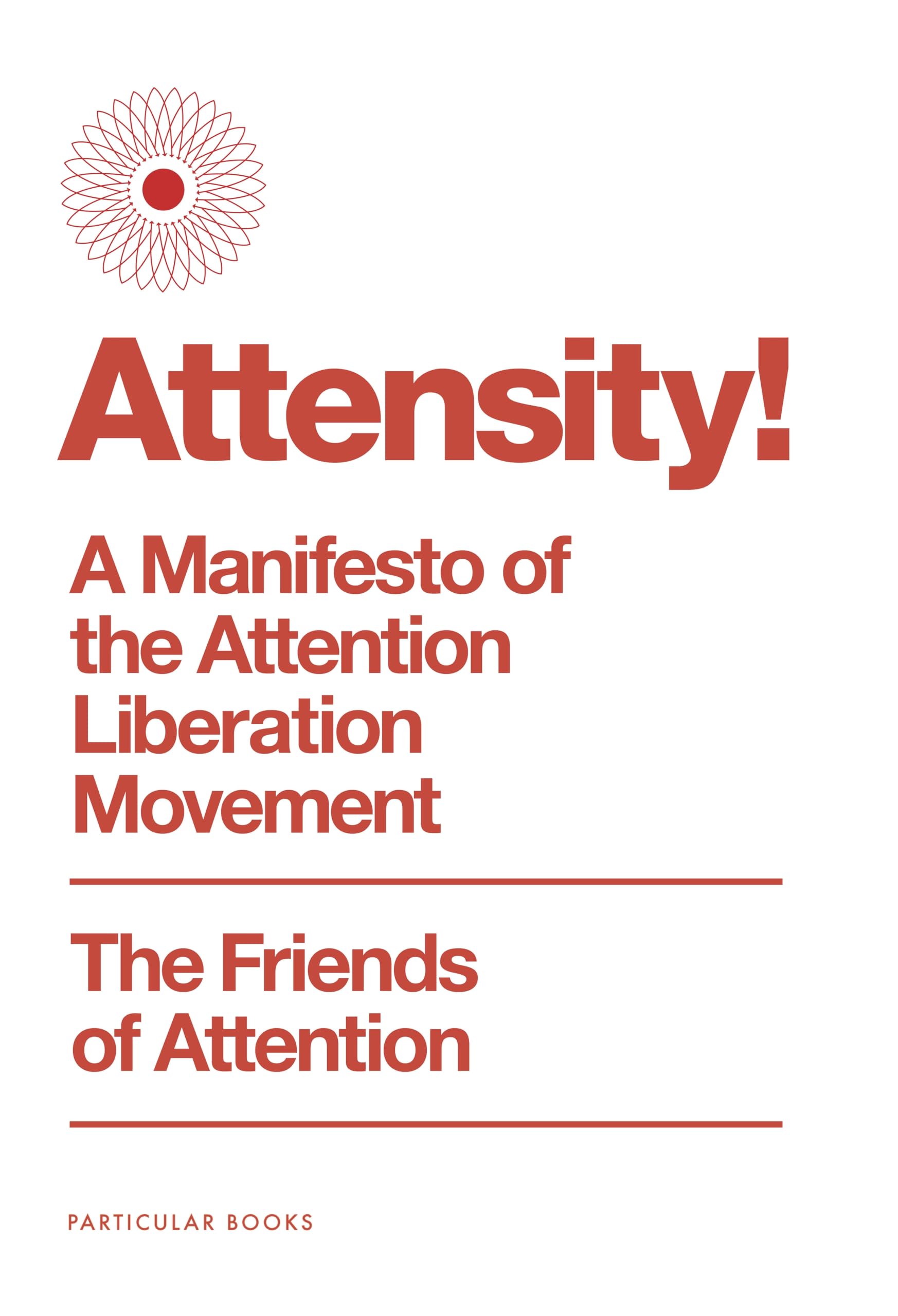
We’d recommend this book if you’re curious about how technology affects your focus, though it may not deliver all the practical solutions you’re hoping for.
Pros
- Breaks down complex philosophical ideas into digestible, short essays that don’t require a philosophy degree to understand
- Offers a fresh perspective on technology’s grip on our attention that feels relevant to everyday life
- Makes Heideggerian philosophy surprisingly accessible for readers who’ve struggled with dense academic texts
Cons
- Doesn’t provide as many actionable strategies for reclaiming attention as we initially expected
- The manifesto format sometimes feels more diagnostic than prescriptive
- With only eight ratings, it’s harder to gauge how it resonates with a broader readership
We found Attensity! to be a surprisingly quick read that made us reconsider our relationship with our devices. The book doesn’t waste time getting to its central argument about how tech companies have engineered systems to capture our focus.
What struck us most was how the author wove together philosophy and history of science without making it feel like homework. The essays are brief enough that we could pick it up between tasks, which felt appropriate given the subject matter. At 256 pages, it moves along at a brisk pace.
The philosophical grounding gives the book more weight than typical self-help fare about digital detoxing. However, we did wish for more concrete guidance on what to actually do about the attention economy. The book excels at diagnosing the problem but leaves much of the solution-finding to us as readers.
Buying Guide
When we’re looking to reclaim our attention from the digital chaos, choosing the right tools and resources can make all the difference. The market offers various products designed to help us manage distractions and focus better.
What to Look For
We should prioritise products that align with our specific attention challenges. Consider whether you need help blocking digital distractions, tracking time usage, or creating focused work environments.
Key features to evaluate:
- Customisation options – Can we tailor settings to our unique needs?
- Ease of use – Is the interface intuitive and quick to learn?
- Cross-platform compatibility – Does it work across all our devices?
- Data privacy – How is our information stored and protected?
- Cost structure – Are there subscription fees or one-time purchases?
Feature Comparison
| Feature Type | Why It Matters | What to Check |
|---|---|---|
| Blocking capabilities | Prevents access to distracting sites | Customisable lists, scheduling options |
| Analytics | Shows where our attention goes | Detailed reports, visual dashboards |
| Offline functionality | Works without internet | Local storage, syncing abilities |
| Support resources | Helps us get started | Tutorials, community forums |
We’ve found that products with flexible scheduling work best for varied routines. Look for options that let us set different rules for weekdays versus weekends.
Price shouldn’t be the only factor we consider. Free versions often provide basic functionality, whilst paid options typically offer more advanced features and better support.
Reviews
There are no reviews yet.