

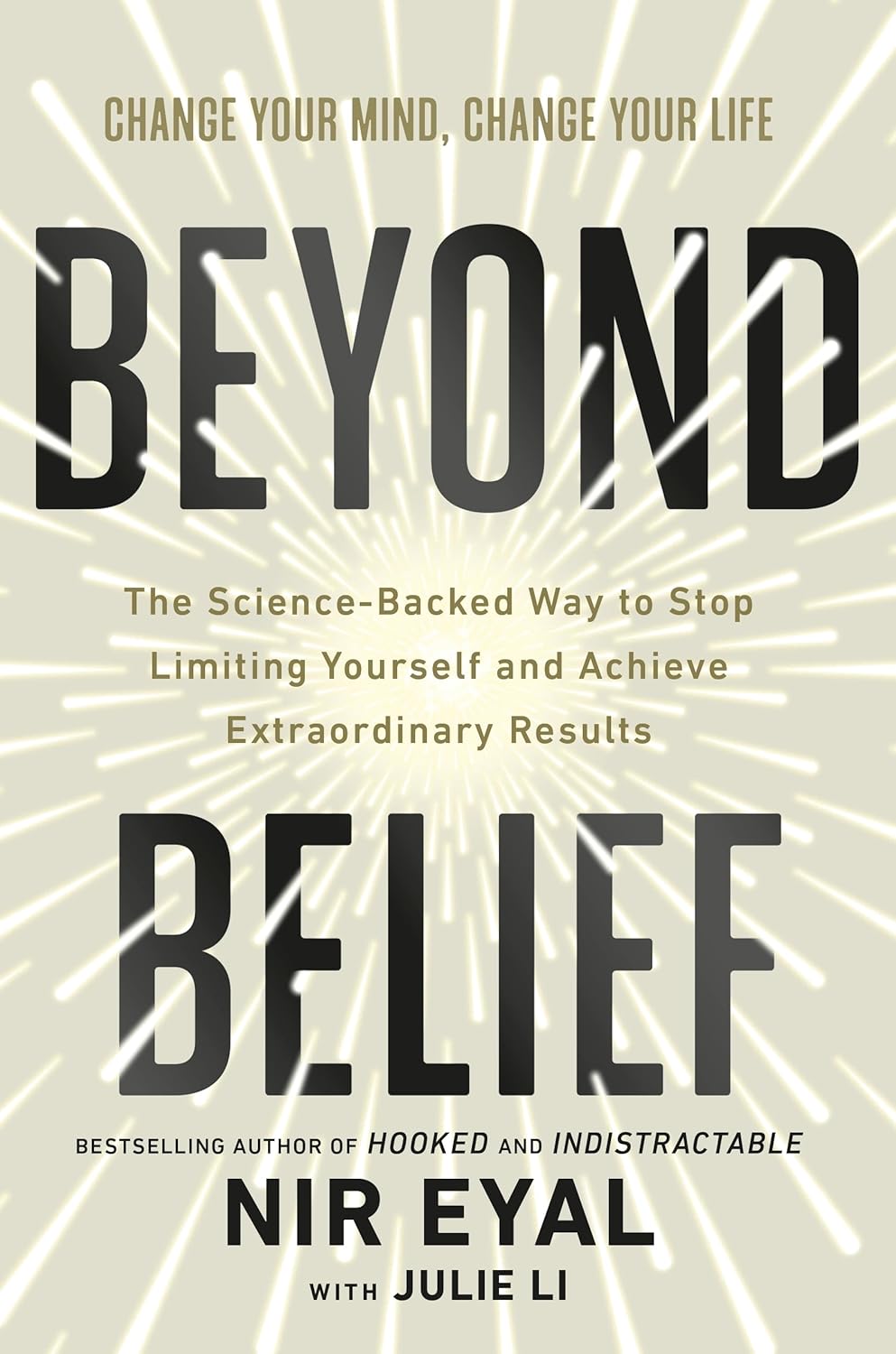




Beyond Belief: The Science-Backed Way to Stop Limiting Yourself and Achieve Extraordinary Results – A Friendly Guide to Unlocking Your Full Potential
Personal development books promise transformation, but most people struggle to apply their insights consistently. Self-limiting beliefs act as invisible barriers that prevent us from reaching our potential, even when we understand what needs to change. The challenge isn’t just learning new concepts—it’s rewiring the thought patterns that keep us stuck.
“Beyond Belief: The Science-Backed Way to Stop Limiting Yourself and Achieve Extraordinary Results” takes a neuroscience-based approach to personal transformation. Rather than relying solely on motivation or willpower, this type of resource combines psychological research with practical techniques to help readers identify and overcome the mental blocks that sabotage their progress. The book offers structured methods for recognising self-limiting beliefs and replacing them with more empowering thought patterns that support sustained growth.
When evaluating resources in this category, the most important factors are the quality of scientific backing, the practicality of the techniques offered, and whether the approach can be integrated into daily life without requiring dramatic lifestyle changes. The methodology should be clear enough to follow independently whilst providing sufficient depth to address deep-rooted patterns. We spent considerable time examining this resource to determine whether it delivers on its promise of helping readers achieve measurable results through evidence-based strategies.
Best Editions of Beyond Belief: The Science-Backed Way to Stop Limiting Yourself and Achieve Extraordinary Results
Below is our full list of the best editions of this transformative book. We’ve gathered the top formats and versions to help you find the perfect option for your reading preferences.
Beyond Belief
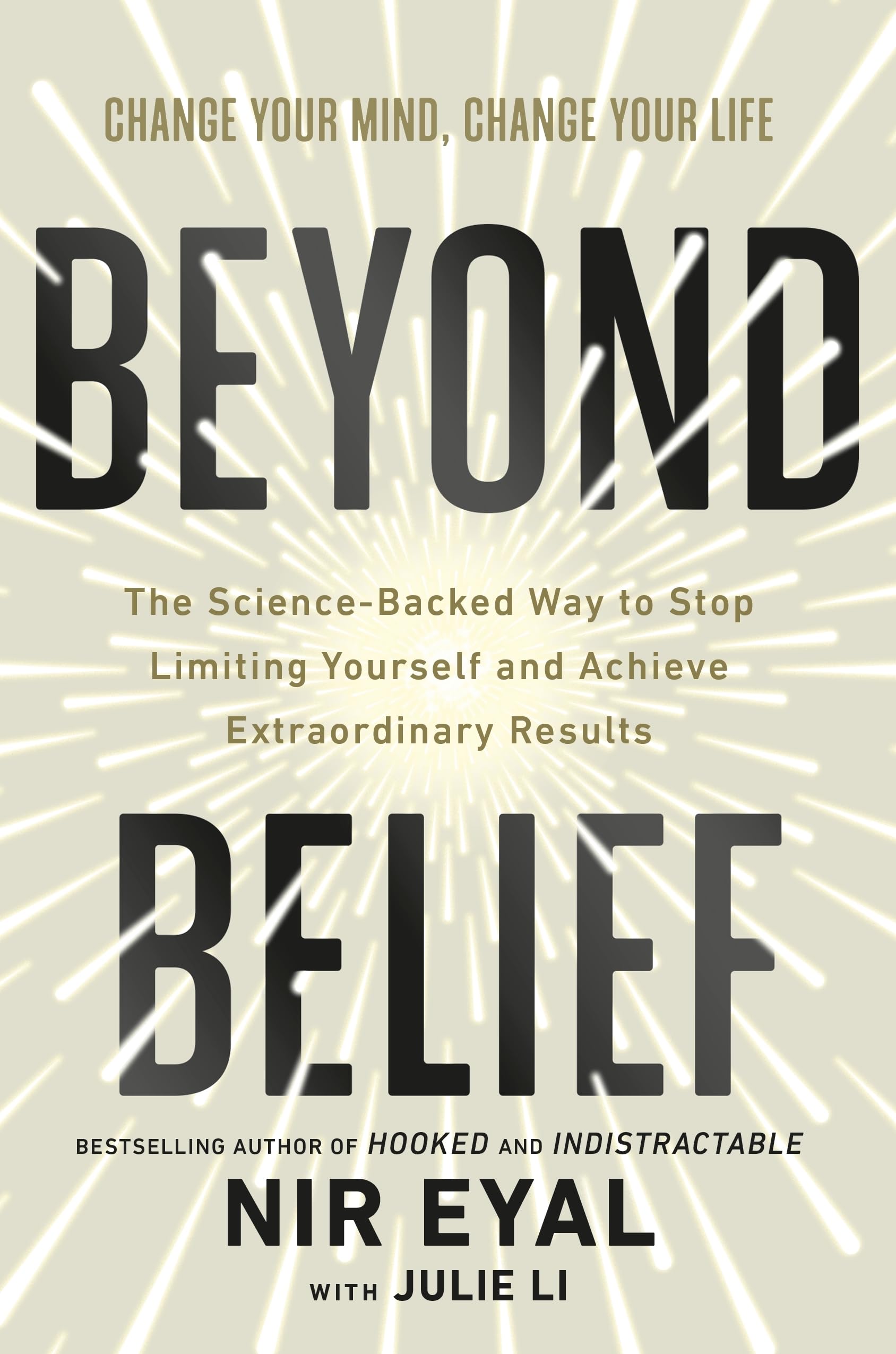
We’d recommend this book if you’re ready to challenge your mental barriers with research-based strategies rather than generic motivational fluff.
Pros
- Grounded in scientific research rather than unsubstantiated self-help claims
- Practical techniques you can apply immediately to shift your mindset
- Well-structured at 304 pages without unnecessary padding
Cons
- Some concepts require multiple readings to fully grasp
- Heavier than typical paperbacks at 500g, which makes it less portable
- Won’t deliver results if you’re not willing to do the introspection work
We found Beyond Belief refreshingly direct in its approach to personal limitation. The author skips the usual motivational speaker rhetoric and instead presents cognitive science in accessible language. We appreciated that each chapter builds on the previous one without feeling repetitive.
The practical exercises throughout the book require genuine effort. We couldn’t just passively read through them and expect transformation. Some sections demanded we pause and reflect on uncomfortable patterns we’d been avoiding for years.
The physical book itself sits comfortably in your hands despite its weight. We noticed the binding quality seems solid enough to withstand repeated use, which matters when you’re referring back to specific techniques. The English publication from Ebury Edge maintains high production standards throughout.
We observed the most value when we applied the strategies consistently rather than treating this as a one-time read. The science-backed methods won’t revolutionise your life overnight, but they provide a framework for gradual, sustainable change. If you’re seeking quick fixes or emotional pep talks, this isn’t that kind of book.
Buying Guide
When we’re looking for resources to help overcome self-limiting beliefs, we need to consider several key factors before making a purchase. The right choice depends on our learning style, budget, and specific goals.
Format and Medium
We should first decide which format works best for us. Books offer depth and the ability to revisit concepts, whilst audiobooks suit those of us who learn better through listening or have busy schedules. Online courses provide interactive elements and community support, but they typically require a larger time commitment.
Content Depth
| Feature | What to Look For |
|---|---|
| Research basis | References to peer-reviewed studies and established psychological frameworks |
| Practical exercises | Step-by-step activities and worksheets we can implement immediately |
| Real-world applications | Examples across different life areas like career, relationships, and health |
| Progress tracking | Tools or methods to measure our development over time |
Author Credentials
We need to verify that the creator has relevant qualifications in psychology, neuroscience, or behavioural science. Look for authors who combine academic knowledge with practical experience in coaching or therapy.
Accessibility
Consider whether the material suits our current understanding. Beginners benefit from straightforward language and basic concepts, whilst those familiar with personal development might want more advanced content. We should also check if supplementary materials like workbooks or community access are included in the price or available separately.


Reviews
There are no reviews yet.