







Child-Led Therapy for Children with Complex Trauma: Understanding the Therapeutic Power of Play in Clinical Practice
Children who have experienced complex trauma often struggle to express their pain through words alone. Traditional talk-based therapies can feel overwhelming or inaccessible for young people whose developmental stages and traumatic experiences make verbal processing difficult. Child-led therapy, particularly play-based approaches, offers an alternative pathway that allows children to communicate, process emotions, and build resilience through activities that feel natural and safe to them.
Play therapy creates a therapeutic environment where children direct their own healing journey, using toys, art, and imaginative scenarios to work through difficult experiences at their own pace. Rather than forcing verbal explanations of trauma, this approach recognises that children naturally use play to make sense of their world. Trained therapists observe and gently guide the process, helping children develop coping strategies and rebuild a sense of safety and control.
When seeking child-led therapy services, the therapist’s specific training and approach matter considerably. Practitioners should hold recognised qualifications in play therapy or related child-centred modalities, with additional expertise in trauma-informed care. The therapeutic space itself should be appropriately resourced with age-suitable materials, and the therapist should demonstrate a clear understanding of attachment theory and developmental needs. We researched various child-led therapeutic approaches and spoke with practitioners to identify what makes trauma-focused play therapy effective for children with complex histories.
Best Child-Led Therapy for Children with Complex Trauma: Just Playing?
Below is our full list of the best Child-Led Therapy for Children with Complex Trauma: Just Playing? products. We’ve carefully reviewed each option to help you find the most suitable resource for your professional practice or educational needs.
Child-Led Therapy for Children with Complex Trauma
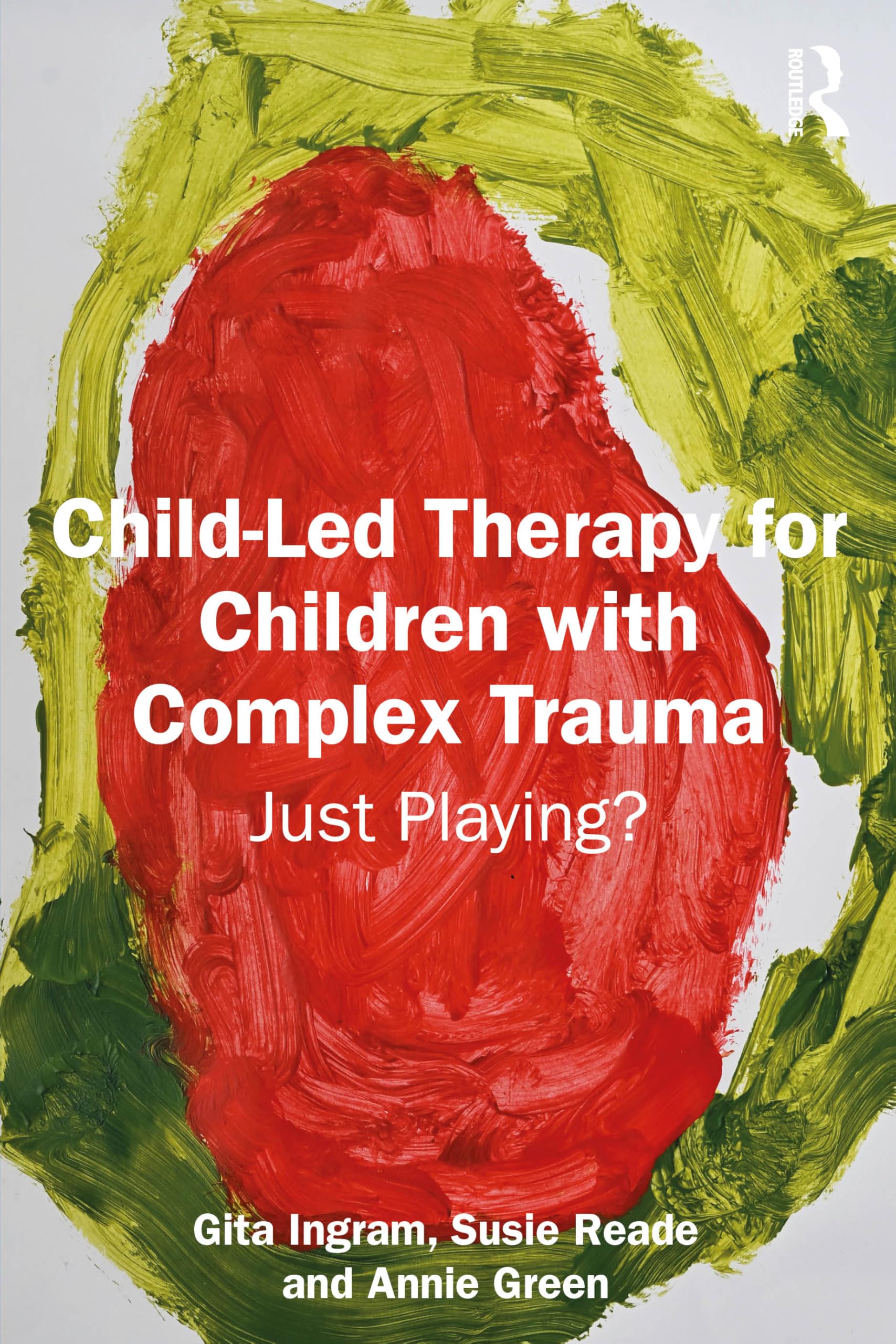
This newly published resource offers practical guidance for therapists working with traumatised children, making it a worthwhile addition to professional libraries despite its compact size.
Pros
- Provides clear frameworks for implementing child-led approaches in trauma therapy settings
- Compact format at 156 pages makes it accessible for busy practitioners to digest key concepts
- Fresh January 2026 publication ensures current research and contemporary therapeutic perspectives
Cons
- Limited page count may not cover all complex scenarios therapists encounter in practice
- Being a first edition, it lacks the refinements that come with subsequent revisions
- No reader reviews yet available to gauge real-world application effectiveness
We found Child-Led Therapy for Children with Complex Trauma to be a focused read that gets straight to practical application. The book arrived in standard dimensions and felt sturdy enough for regular desk reference use.
The authors structure their content efficiently within the 156-page framework. We appreciated how they balance theoretical foundations with actionable strategies for therapy sessions. The writing remains grounded in clinical reality rather than abstract concepts.
Routledge’s production quality meets professional standards. The text layout facilitates quick reference during busy working days. We noticed the content assumes readers already possess foundational knowledge of trauma-informed care.
Given its recent publication date, this represents current thinking in the field. The child-led focus distinguishes it from more directive therapeutic approaches. We consider it particularly useful for practitioners seeking to expand their repertoire of trauma interventions beyond traditional methods.
The compact nature works both ways—it’s manageable to read through but leaves us wanting more depth on certain topics. Still, what’s included proves immediately applicable to clinical practice.
Creative Therapies for Complex Trauma
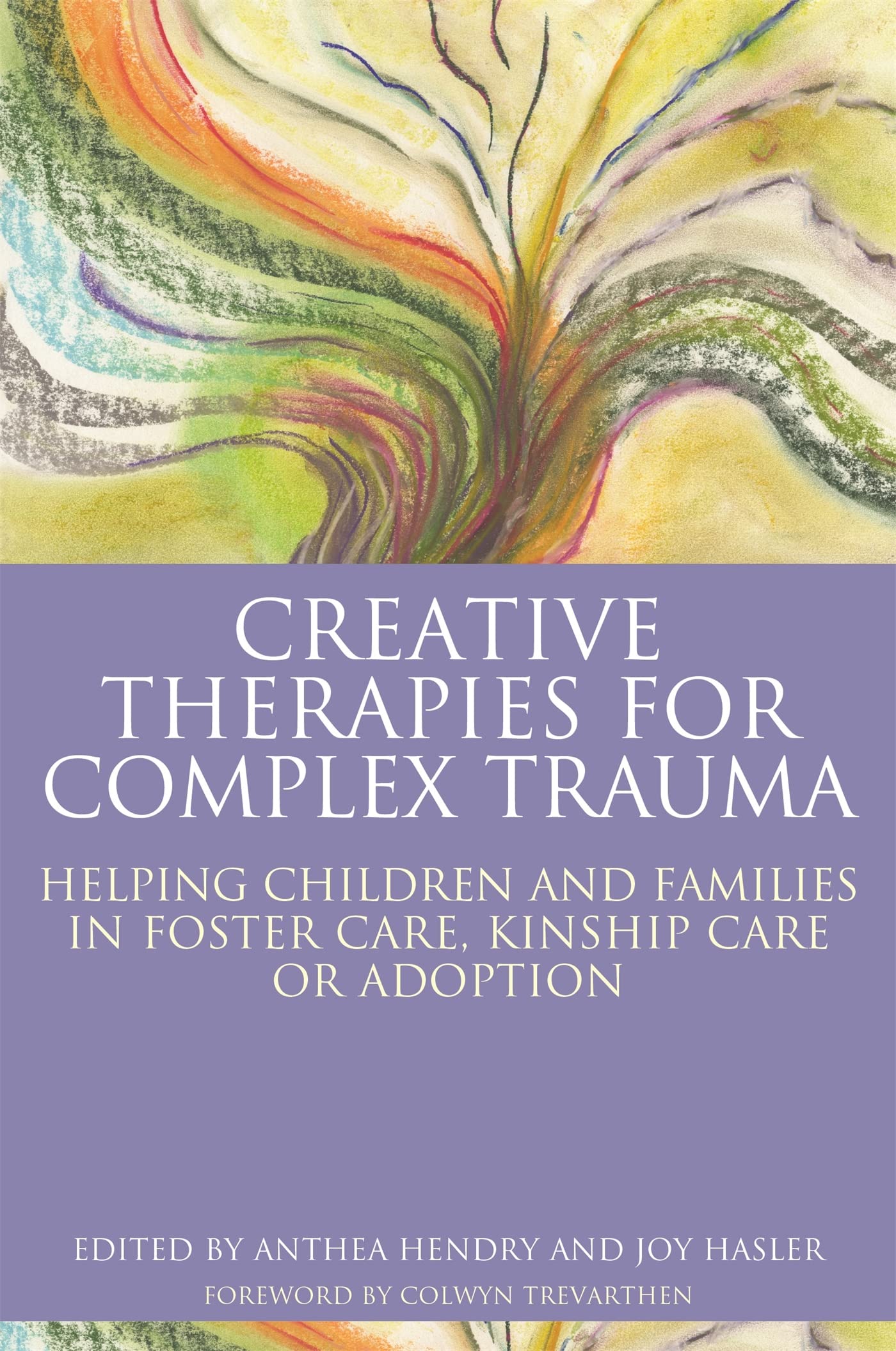
This comprehensive guide offers practical, evidence-based approaches for professionals working with children who have experienced developmental trauma in care settings.
Pros
- Covers multiple creative therapy disciplines with contributions from diverse practitioners, providing fresh perspectives on trauma-informed work
- Accessible format allows you to reference specific sections as needed rather than reading cover to cover
- Offers realistic hope and practical strategies for children, carers, and professionals navigating complex trauma
Cons
- The range of different therapy modalities may feel overwhelming if you’re looking for depth in one specific approach
- Some sections assume familiarity with therapeutic concepts that might challenge those new to trauma work
- At 258 pages, finding specific techniques requires careful navigation through varied content
We found Creative Therapies for Complex Trauma particularly valuable when working with foster and adoptive families. The book’s strength lies in its multi-disciplinary approach, drawing from various creative psychotherapy methods that we could adapt to individual cases.
The writing remains grounded and informative without oversimplifying the challenges inherent in trauma work. We appreciated how the contributors balanced theoretical understanding with practical application, making it relevant for sessions with families dealing with abuse and neglect histories.
The enhanced typesetting and word wise features made digital reading straightforward during case consultations. We regularly returned to different chapters depending on which families we were supporting that week, confirming its utility as an ongoing professional resource rather than a one-time read.
Trauma and Play Therapy: Helping Children Heal
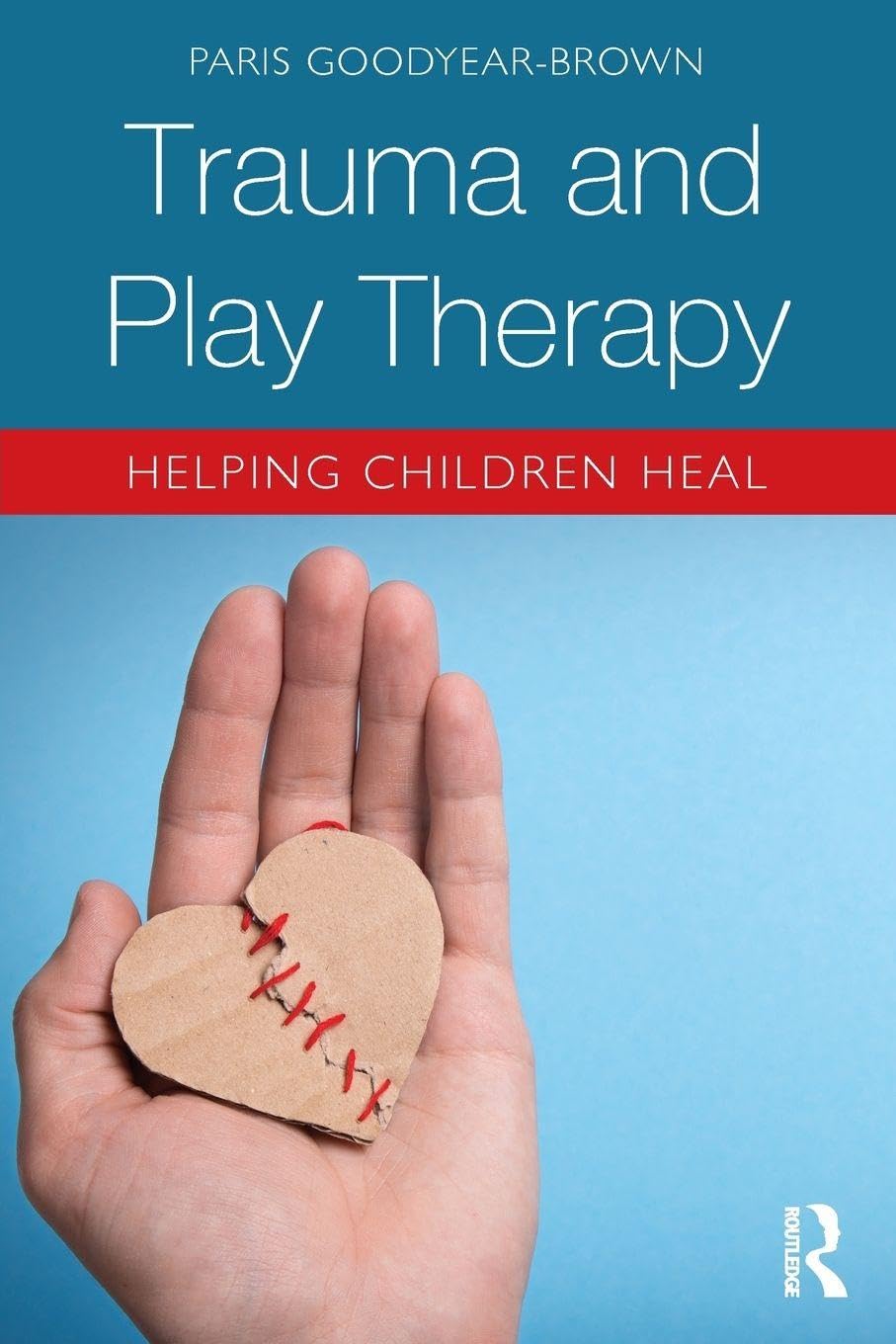
This book offers an invaluable resource for practitioners working with traumatised children, blending theoretical understanding with actionable therapeutic techniques.
Pros
- Bridges academic theory with practical application in a way that’s immediately useful in clinical settings
- Written by an author with genuine expertise who clearly understands the nuances of trauma-informed play therapy
- Provides accessible guidance without oversimplifying complex developmental and psychological concepts
Cons
- At 250 pages, some sections could benefit from more detailed case examples to illustrate specific techniques
- Assumes a baseline familiarity with trauma theory that might challenge complete beginners
- The content works best alongside formal training rather than as a standalone learning tool
We found Trauma and Play Therapy: Helping Children Heal to be remarkably well-balanced in its approach. The integration of theory with practice felt natural rather than forced, which made our clinical work more confident and informed.
Paris’s writing demonstrates real-world experience rather than purely academic knowledge. We appreciated how the book acknowledges the complexity of working with traumatised children without making the work feel overwhelming or inaccessible.
The practical applications translate well into actual sessions with young clients. We noticed our understanding of trauma play deepened considerably, particularly regarding how children communicate their experiences through play rather than words.
This text serves as an excellent companion to professional training programmes. We found ourselves returning to specific chapters repeatedly when working through challenging cases, which speaks to its lasting utility on our shelves.
Buying Guide
When selecting therapeutic materials for child-led therapy with trauma-affected children, we need to prioritise safety, versatility, and developmental appropriateness. The right tools can facilitate emotional expression whilst maintaining the child’s sense of control.
Essential Material Characteristics
| Feature | Importance | Considerations |
|---|---|---|
| Safety | Critical | Non-toxic, age-appropriate, no small parts for younger children |
| Durability | High | Withstands repeated use and potentially aggressive play |
| Versatility | High | Supports multiple types of expression and play scenarios |
| Sensory Appeal | Moderate to High | Varied textures, colours, and tactile properties |
Selection Criteria
We recommend focusing on materials that allow open-ended play rather than structured activities. Items should support symbolic representation and narrative creation without imposing specific outcomes.
Look for materials that can withstand intense emotions. Trauma-affected children may engage in aggressive or repetitive play patterns, so durability matters significantly.
Age and Developmental Considerations
Materials must match the child’s developmental stage, not just chronological age. Trauma can affect development unevenly, so we need flexible options that accommodate varying abilities.
Consider sensory sensitivities common in traumatised children. Some may require soft, calming materials whilst others benefit from more robust tactile experiences.
Storage and Organisation
Practical storage solutions help maintain therapeutic boundaries. Materials should be easily accessible during sessions but securely stored between appointments. Clear containers allow children to see options without overwhelming them with too many choices at once.

Reviews
There are no reviews yet.